

What is the future development trend of TC Fabric?
Nov 23, 2026
Leave a message
In the dynamic landscape of the textile industry, TC fabric, a blend of polyester and cotton, has long been a staple due to its versatility, durability, and comfort. As a trusted TC fabric supplier, I've witnessed firsthand the evolving demands of the market and am excited to share insights into the future development trends of this remarkable material.
1. Technological Advancements in Fabric Production
The future of TC fabric production is set to be revolutionized by cutting - edge technologies. Nanotechnology, for instance, will play a crucial role. By applying nanocoatings to TC fabrics, we can enhance their functionality significantly. These nanocoatings can provide features such as water - repellency, stain resistance, and even antibacterial properties. For the sportswear industry, this means that TC fabric - based sportswear can keep athletes dry and free from unpleasant odors during intense workouts.
3D knitting technology is also on the rise. It allows for the creation of complex and seamless TC fabric designs. Instead of traditional cutting and sewing methods, 3D knitting can produce garments in one piece, reducing waste and increasing production efficiency. This technology also enables the customization of fabric thickness and texture in different parts of a garment, providing a better fit and performance.
2. Sustainability and Eco - friendliness
Sustainability is no longer a buzzword but a necessity in the textile industry, and TC fabric is no exception. Consumers are becoming more environmentally conscious, and they expect the products they buy to have a minimal impact on the planet. As a TC fabric supplier, we are focusing on several aspects to make our products more sustainable.

Firstly, we are exploring the use of recycled polyester in our TC fabric blends. Recycling polyester reduces the demand for virgin materials and helps in diverting plastic waste from landfills. Additionally, we are looking into more eco - friendly dyeing and finishing processes. Traditional dyeing methods can be water - intensive and use harmful chemicals. By adopting new techniques such as digital printing and natural dyeing, we can significantly reduce water consumption and the release of pollutants into the environment.
3. Customization and Personalization
In the age of individualism, consumers want products that reflect their unique personalities and styles. TC fabric offers a great platform for customization. We are seeing an increasing demand for custom - printed TC fabrics. Whether it's a small - batch production for a local fashion brand or a one - of - a - kind design for a consumer, digital printing technology allows us to print high - quality, detailed patterns on TC fabrics quickly and cost - effectively.
Moreover, fabric texture and feel can also be customized. For example, we can offer different levels of softness, stretch, and breathability according to the specific needs of our customers. This level of customization gives our clients, such as fashion designers and garment manufacturers, more creative freedom and helps them stand out in the competitive market.
4. Expansion into New Markets
TC fabric has traditionally been popular in the apparel industry, especially for casual wear and work uniforms. However, in the future, we expect to see its expansion into new markets.
One such market is the home textile sector. TC fabric's durability and comfort make it an ideal choice for bedding, curtains, and upholstery. Its resistance to wrinkles also makes it easy to maintain, which is a significant advantage for home use.
The automotive industry is another potential market. TC fabric can be used for car seat covers, door panels, and headliners. Its ability to be customized in terms of color, texture, and pattern allows automotive manufacturers to create unique interior designs for their vehicles.
5. Integration with Smart Textiles
The concept of smart textiles is rapidly gaining popularity, and TC fabric can be a part of this trend. By integrating sensors and conductive materials into TC fabrics, we can create smart garments with various functions. For example, a smart TC fabric - based shirt could monitor the wearer's heart rate, body temperature, and movement. This has applications not only in the fitness industry but also in healthcare, where it can be used for remote patient monitoring.
Product Highlights
As a TC fabric supplier, we offer a wide range of high - quality products to meet the diverse needs of our customers. Some of our featured products include:
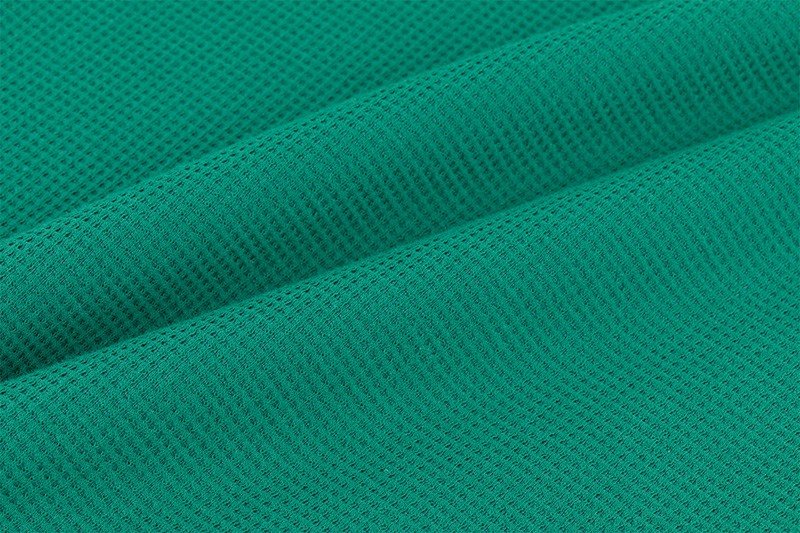
- Garment Dyed Waffle: This unique fabric has a waffle - like texture, which provides excellent breathability and a stylish appearance. It is perfect for casual wear and sportswear.
- Textured Plush Mesh: With its plush and textured surface, this mesh fabric is soft to the touch and offers great comfort. It can be used in a variety of applications, from fashion to home textiles.
- Golf Performance Waffle: Designed specifically for golf apparel, this fabric combines performance features such as moisture - wicking and stretch with the distinctive waffle design. It helps golfers stay comfortable and focused during the game.
Conclusion
The future of TC fabric is bright, filled with opportunities driven by technological advancements, sustainability, customization, and market expansion. As a TC fabric supplier, we are committed to staying at the forefront of these trends, continuously innovating, and providing our customers with the highest quality products.
If you are interested in our TC fabric products or have any specific requirements, we invite you to contact us for a procurement discussion. We look forward to collaborating with you to bring your textile ideas to life.
References
- "Textile Industry Trends Report 2024", Global Textile Research Institute
- "Sustainable Textile Production: A Review", Journal of Environmental Textiles
- "Advances in Smart Textiles Technology", International Journal of Smart Materials and Structures